


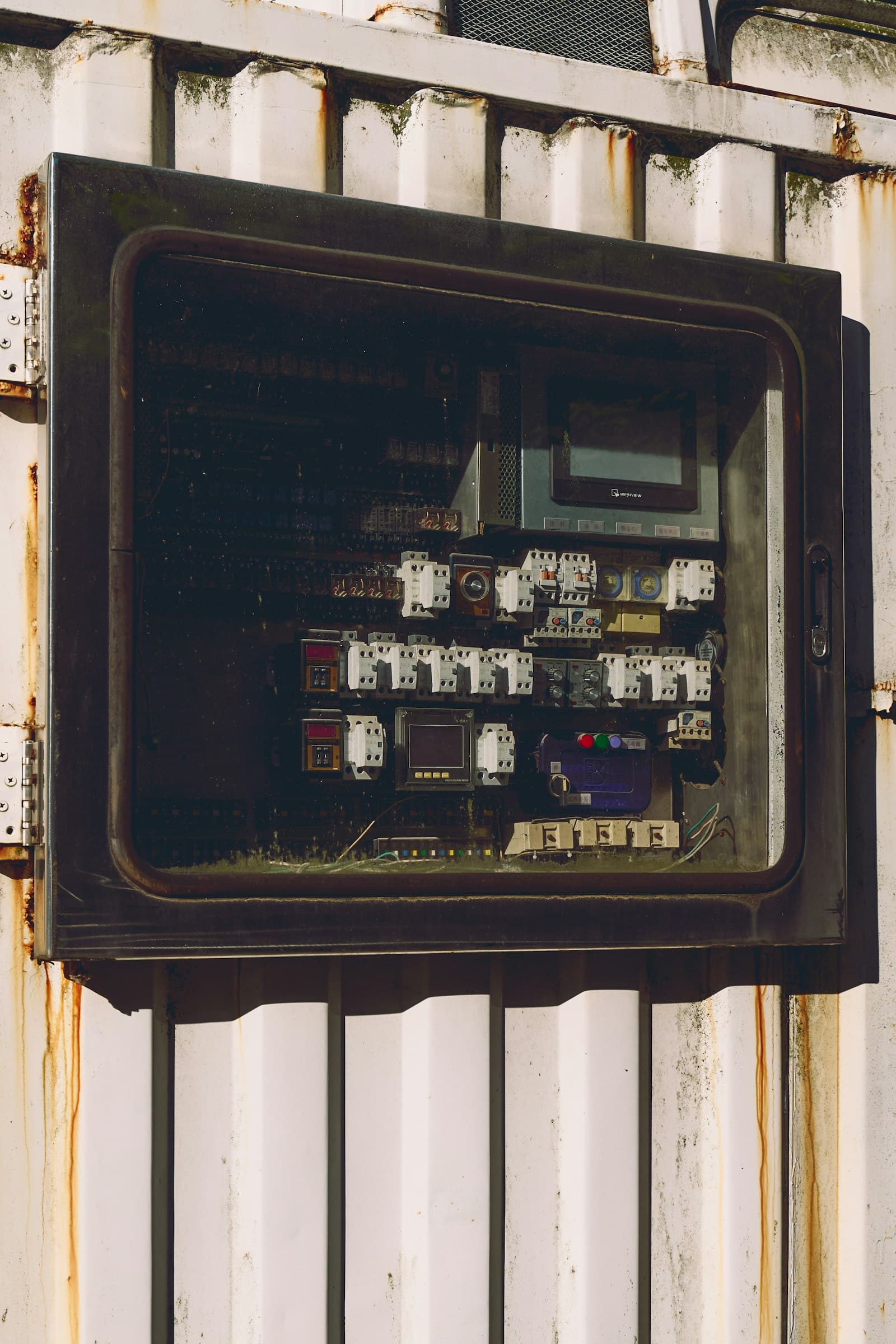
Electrical equipment manufacturing
Digital switchgear test lab
Context
The test lab sits between engineering, production and customer handover. Without a single system, information about panels, standard limits and test progress easily drifts apart across teams and tools.
The starting point
At a medium-voltage switchgear plant, test orders, panels and measurement results were managed in fragmented tools. Data from engineering systems, the manufacturing ERP and the test lab was hard to keep consistent. Serial numbers and single-line diagrams meant manual work and repeated data entry.
Our approach
We started by mapping test procedures, responsibilities and every point where data leaves the lab for the ERP. Only then did we design a single operating model, from order import to reporting, that fits the existing manufacturing environment.
What we delivered
We delivered a desktop application covering the lifecycle of networks and panels, with configurable test templates and guided test runs. It includes a dedicated serial-number tool that works offline, diagram sync, and integration with the enterprise ERP and Active Directory. A scheduling API handles recurring integration jobs and test-progress reporting.
Solution scope
The solution covers everything from order import and panel records through configurable test procedures, serial numbers and diagrams to reporting and writing results back to the ERP. Active Directory roles separate test engineers, reporting and data administration in line with real responsibilities.
How it works in practice
Engineers run tests from prepared templates, progress is visible in reports, and selected results flow back into the ERP. Data administration and read-only reporting stay separate, so lab work never collides with administration or customer documentation.
Outcome
The test lab runs on one operations system and every test is fully traceable. Manual data entry has dropped, and the link to manufacturing and engineering data holds up in everyday work.
Summary
The result is a test lab that keeps technical data, test progress and manufacturing links together, without piecing information together from several unrelated tools.